
In light of the recent attention surrounding the “Cornell 7” case, many responses highlight the challenges survivors continue to face after experiencing sexual violence and turning to people and systems that are meant to help.
The initial experience of violence can be followed by further injustice: scrutiny, disbelief, inaction, and processes that can be slow, confusing, or inadequate. For survivors, seeking help can sometimes mean navigating systems that add another layer of difficulty to an already difficult experience.
Here at Restorations, we stand in solidarity with all who face further trauma and injustice within systems that fail to adequately support those who have been harmed.
There are many systems in which these challenges can arise. Recognizing the complexities of journeying alongside survivors through them, our Empowered Caregiver Project includes a module, "Supporting a Survivor Who is Navigating the Legal System."
“The process itself can also be triggering. Having to repeat everything, in detail, to different people—it forces you to relive it again and again.”
The recent attention surrounding the Cornell case has also coincided with a time when we are supporting several survivors as they navigate legal systems. These experiences can be among the most difficult parts of a survivor’s journey.
“Court isn’t gentle. The way people talk can feel almost aggressive, and even if it’s not directed at you personally, it still hurts. Words can cut deeply, especially when you’ve already survived something like trafficking.”
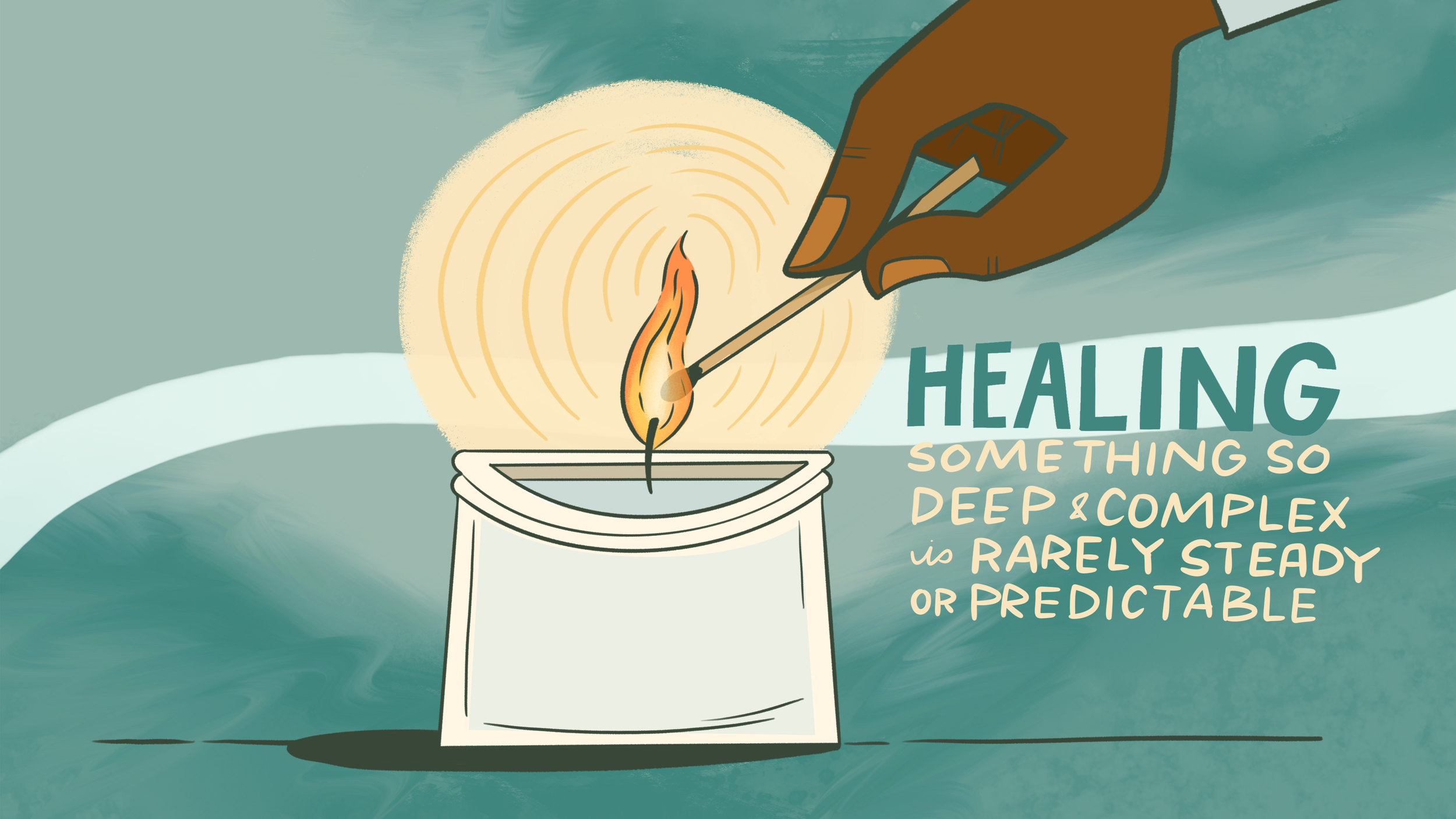
When you support Restorations, you help make practical, compassionate support available to survivors navigating these systems. This can include:
🚘 Transportation to and from court and appointments.
🍪 Nourishing snacks and meals to help them get through long and demanding days.
💜 Staff support and accompaniment, particularly when friends or family may not know about the situation or be able to provide support.
🧸 Practical items, such as fidget toys, that can help with focus and regulation during testimony and other stressful processes.
The systems survivors are asked to navigate can be complex, exhausting, and difficult to understand. They should not have to navigate them alone.
Thank you for being part of a community that believes survivors deserve to be heard, supported, and treated with dignity - not only in the immediate aftermath of violence, but throughout the long and often complicated journey that follows.
Your support helps us continue walking alongside survivors, wherever their journey takes them.